I saw shadow on snow
2026
“I saw my shadow on snow. I turned and looked back up at the sky...”
— Robert Frost, After-Flakes
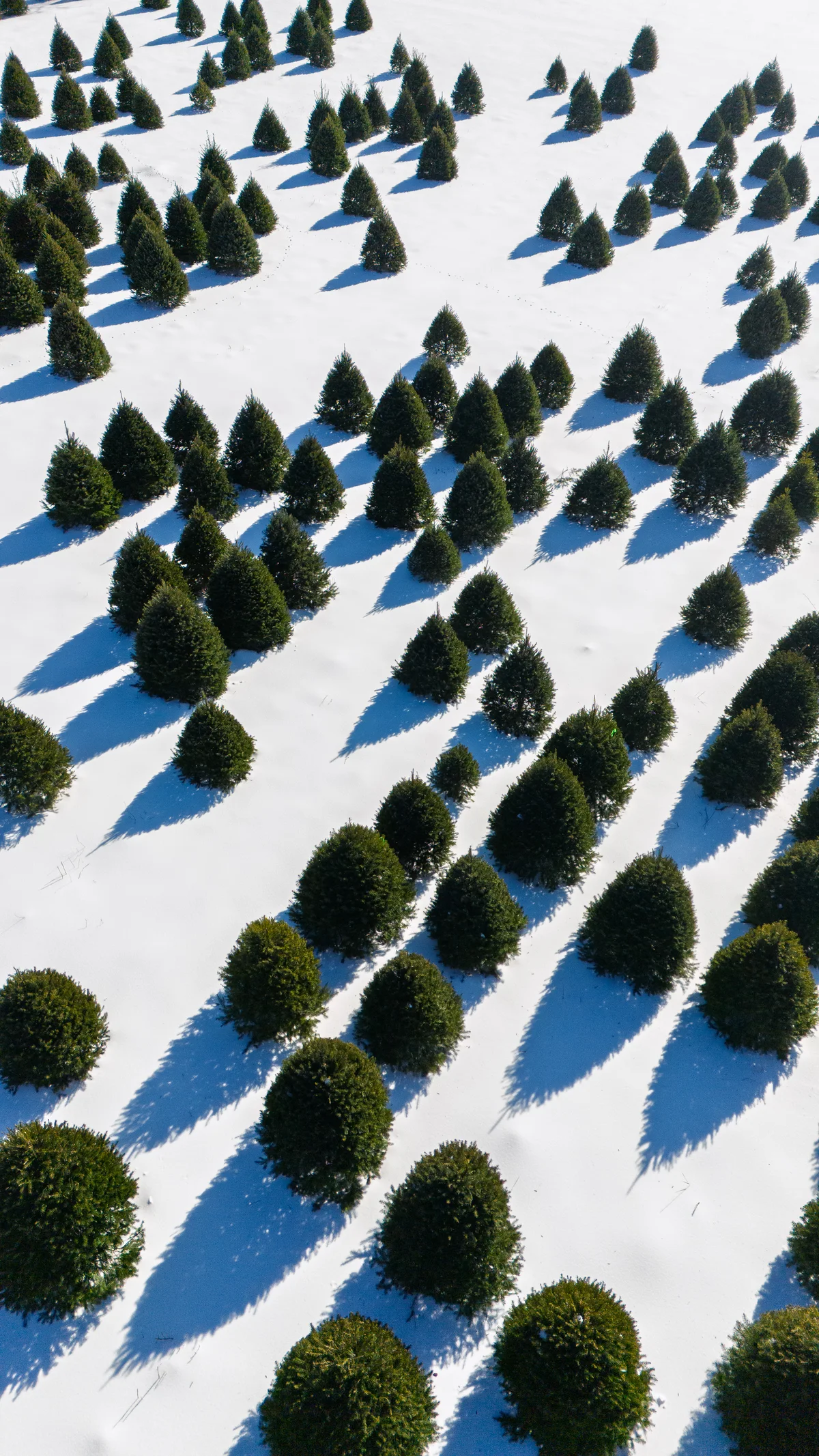
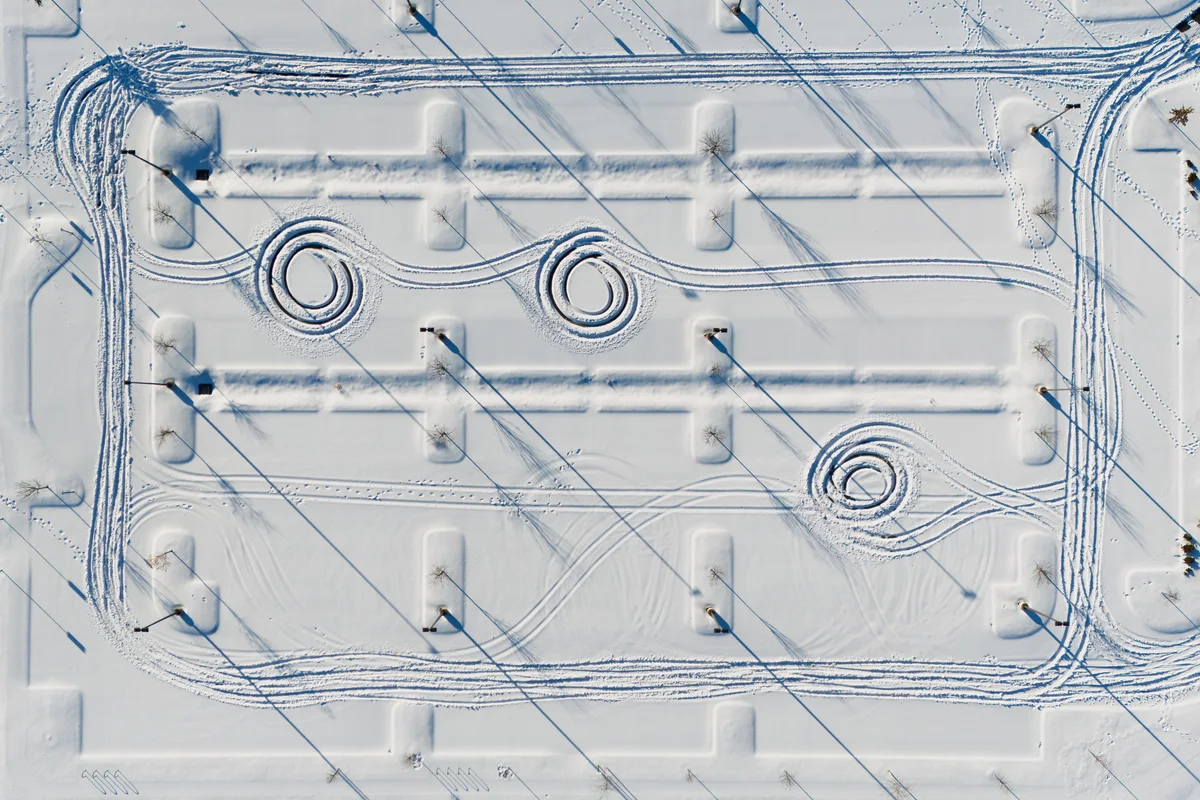
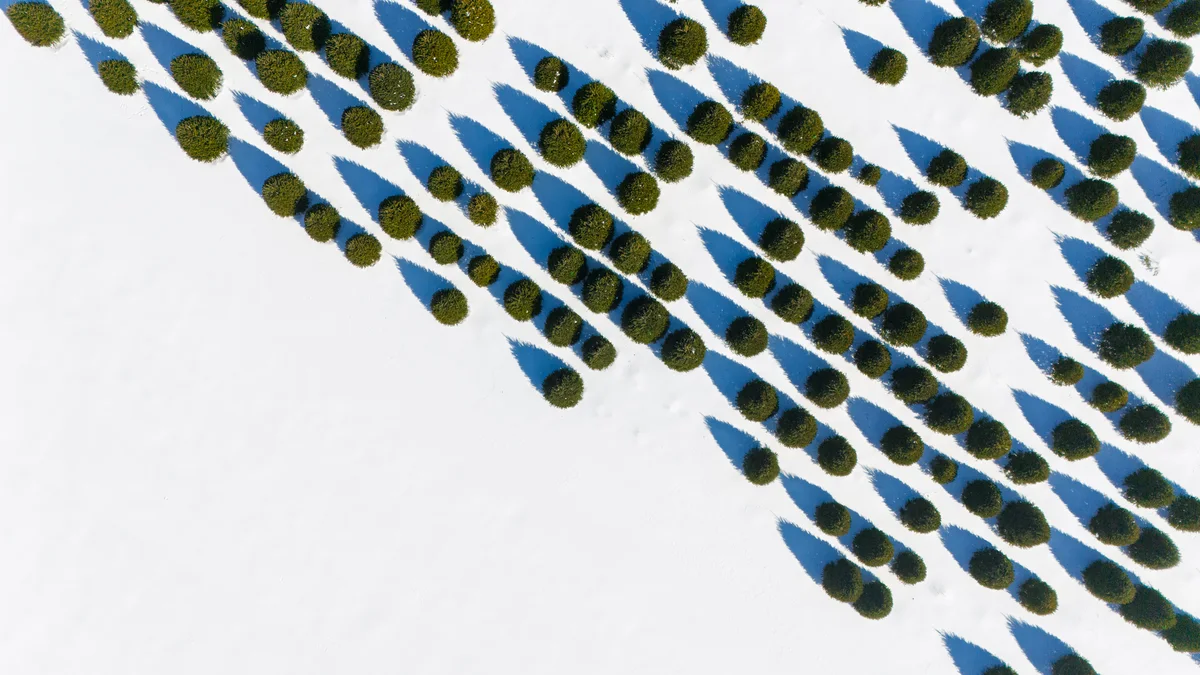
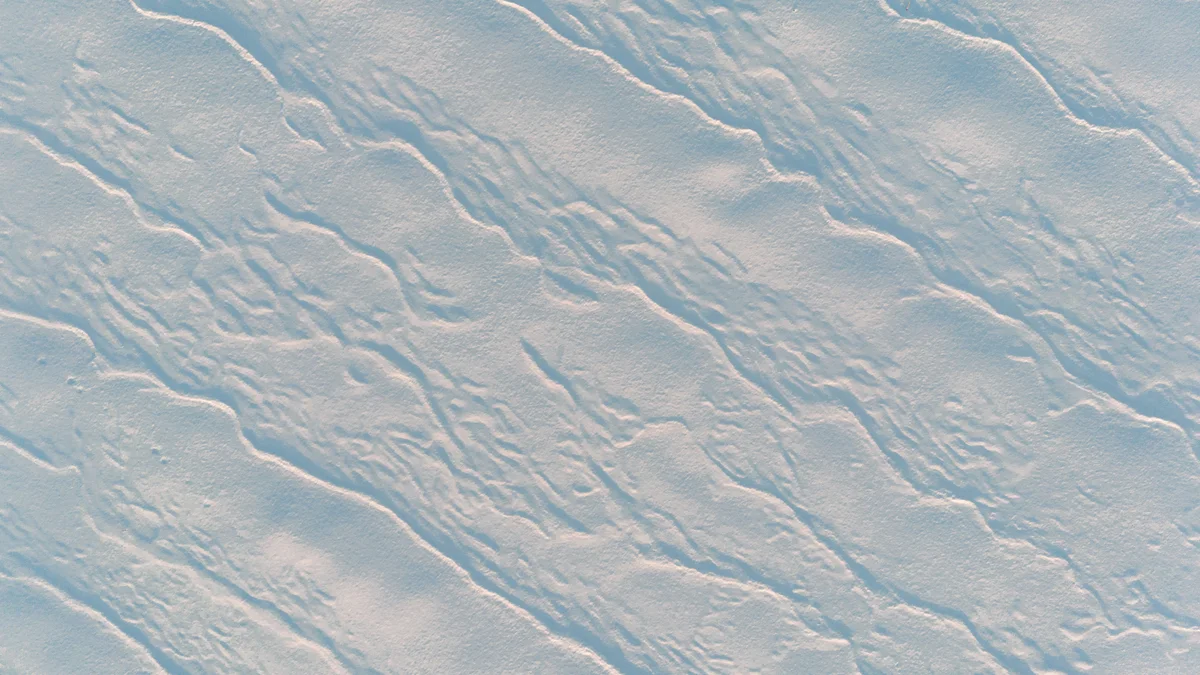
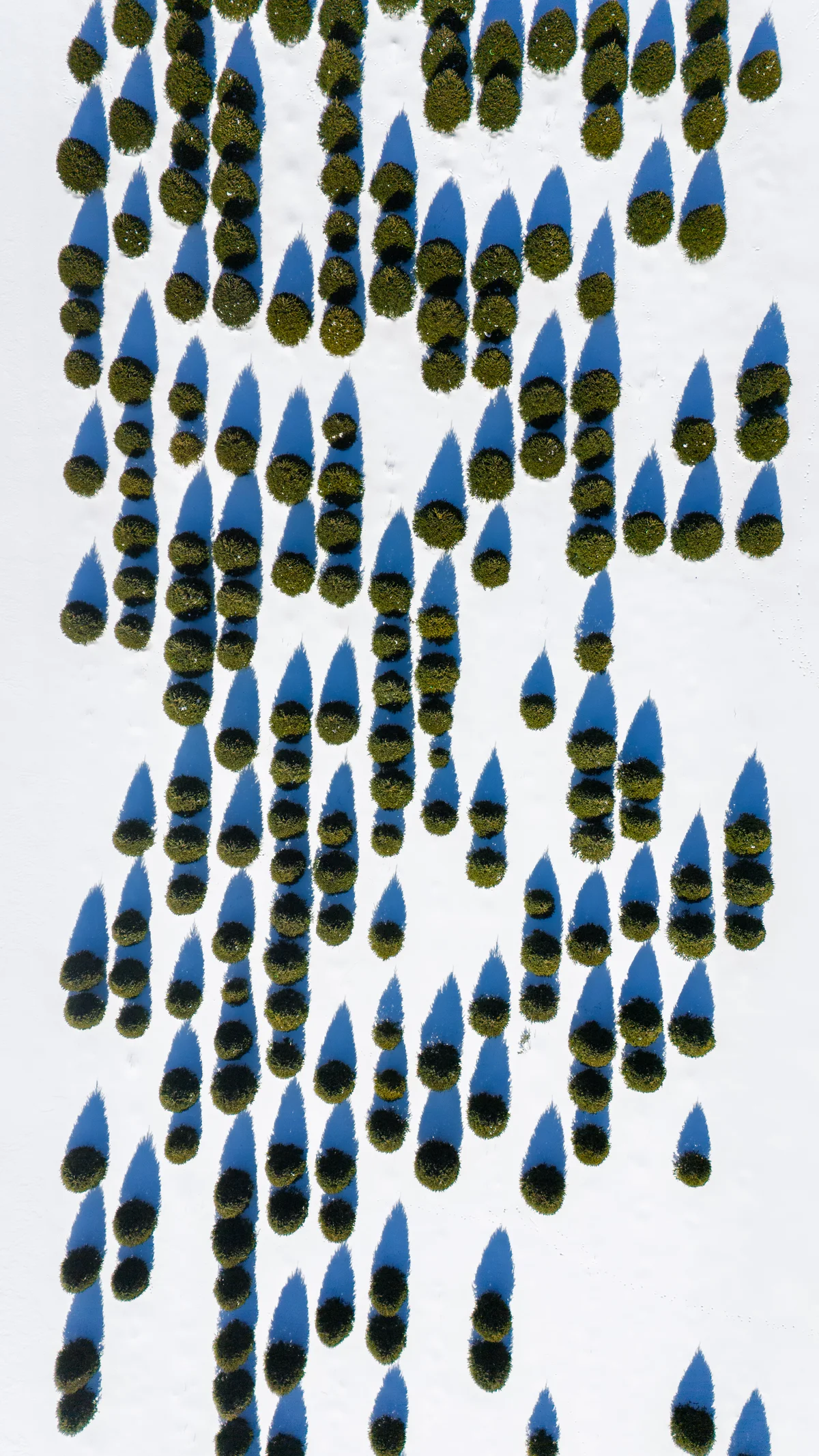
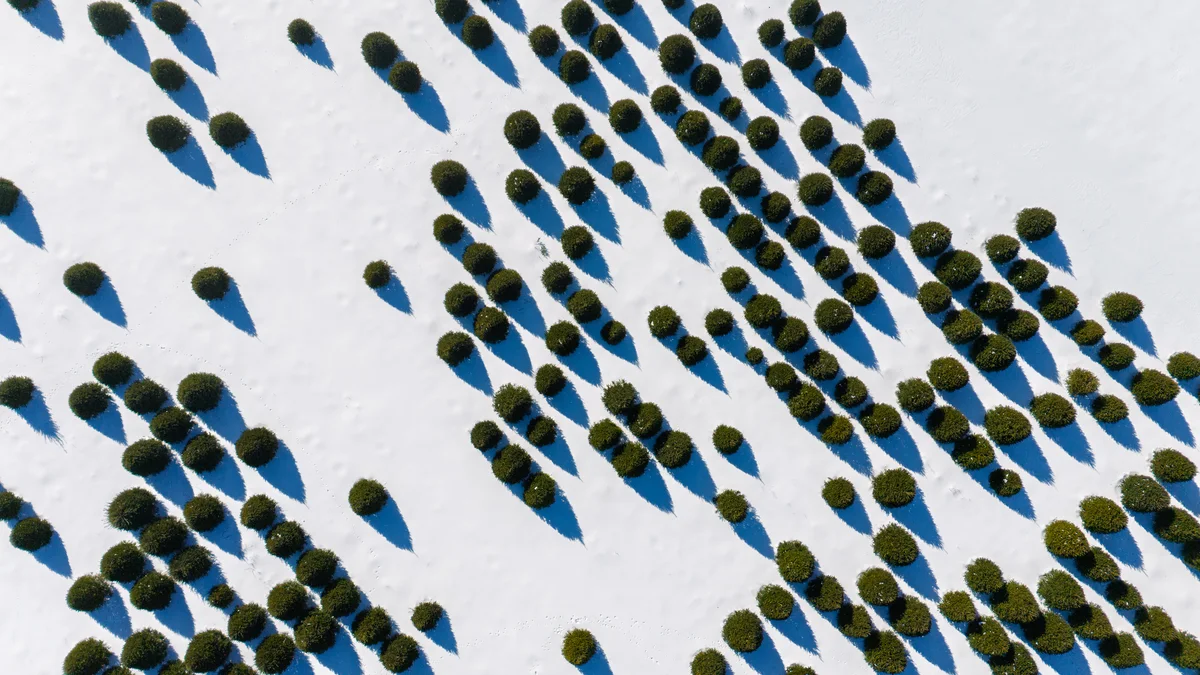
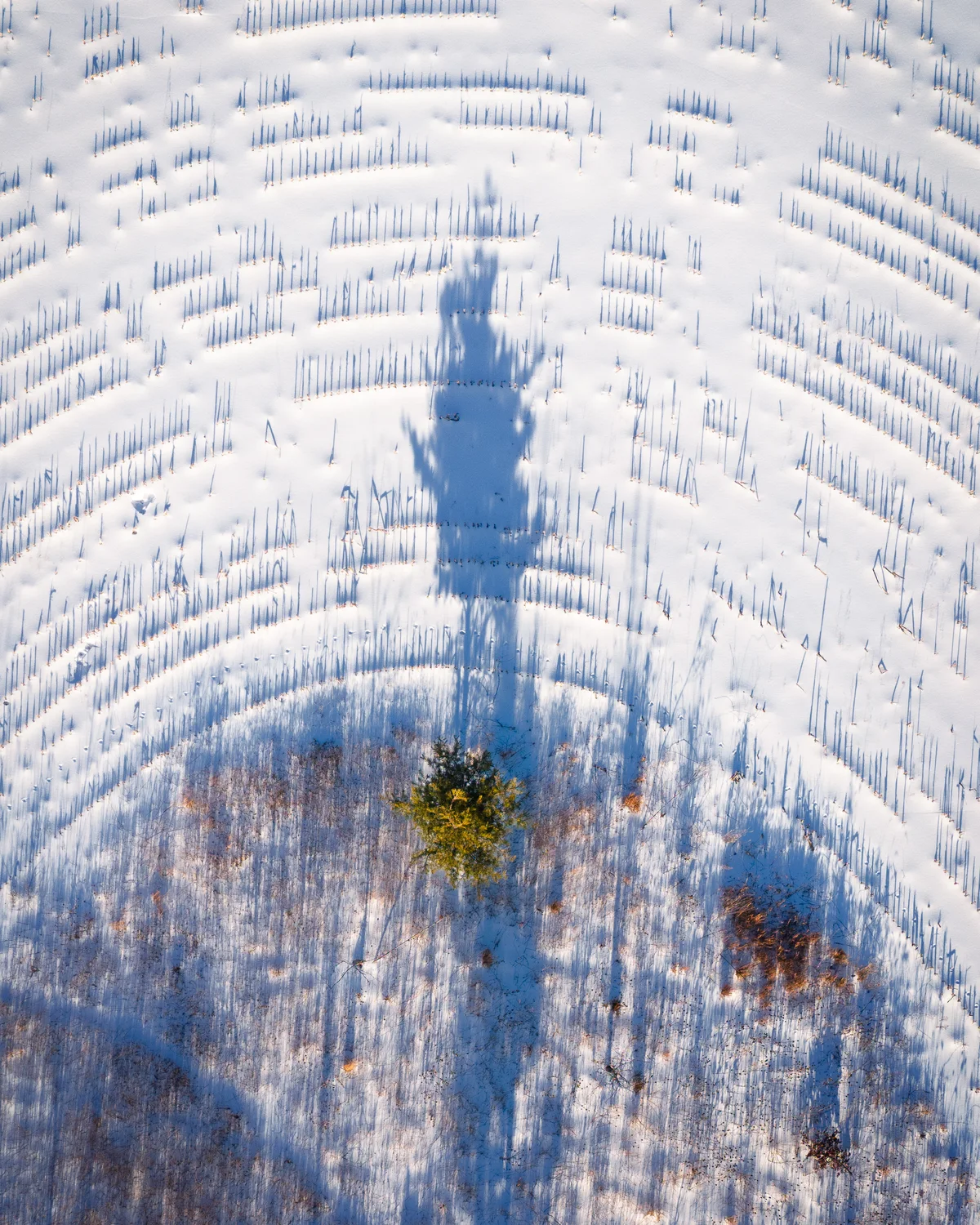
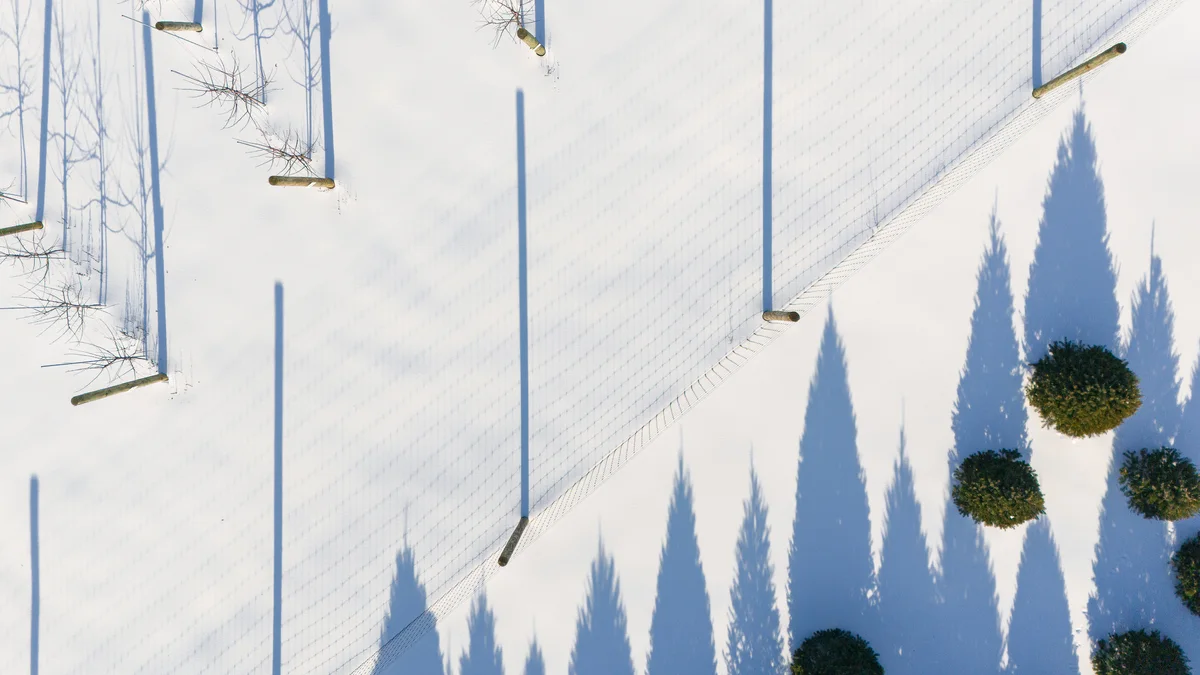
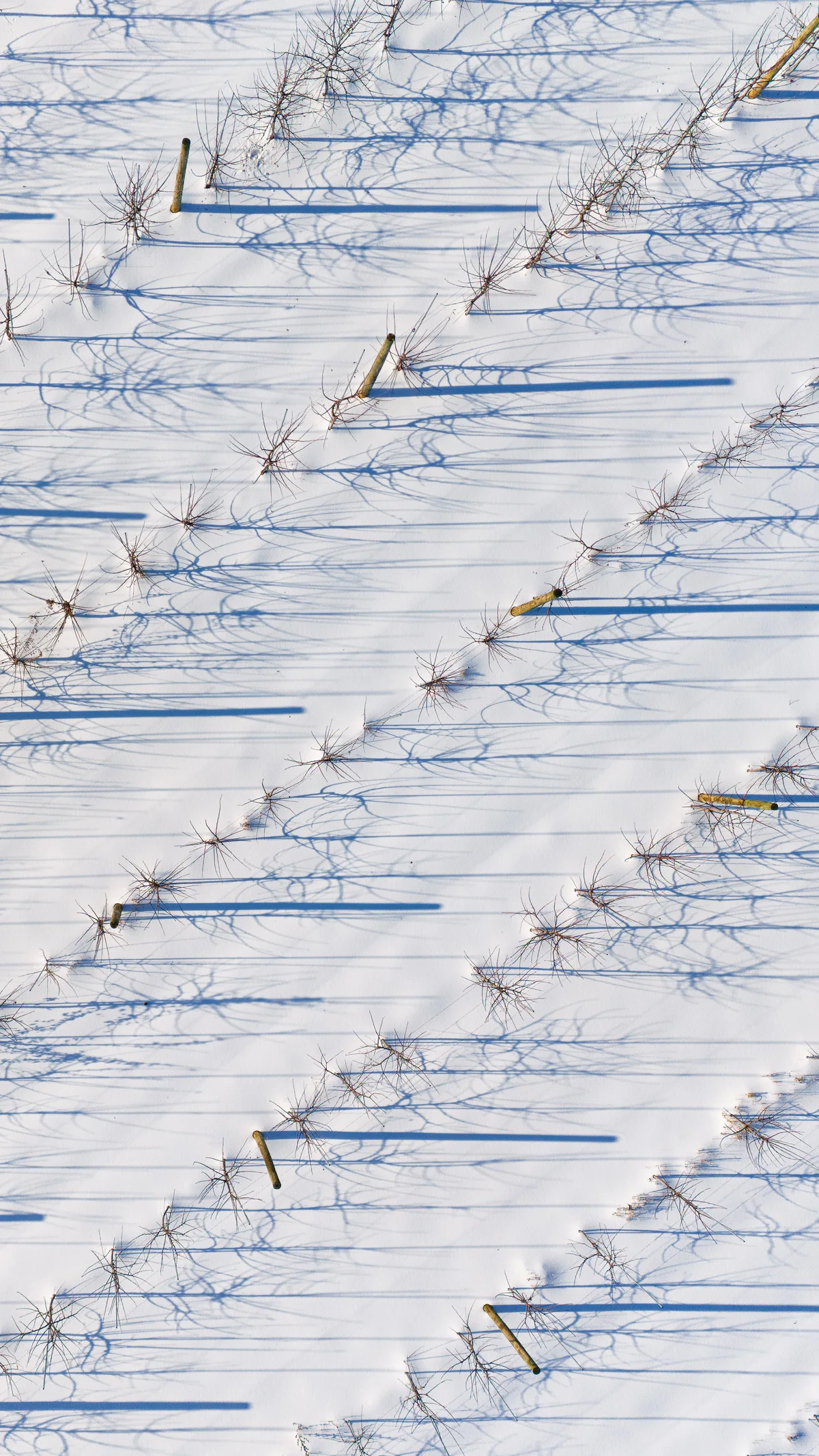
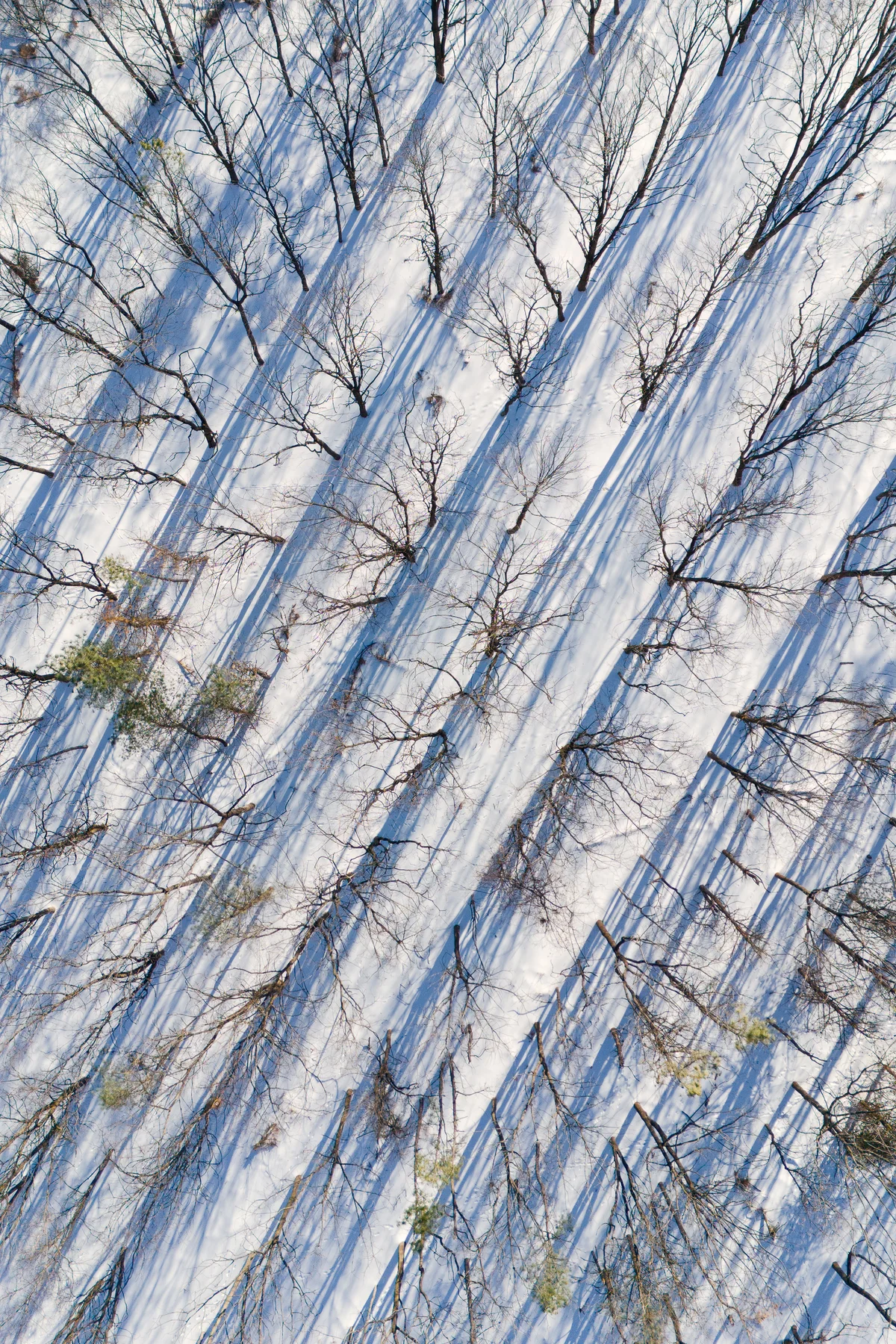
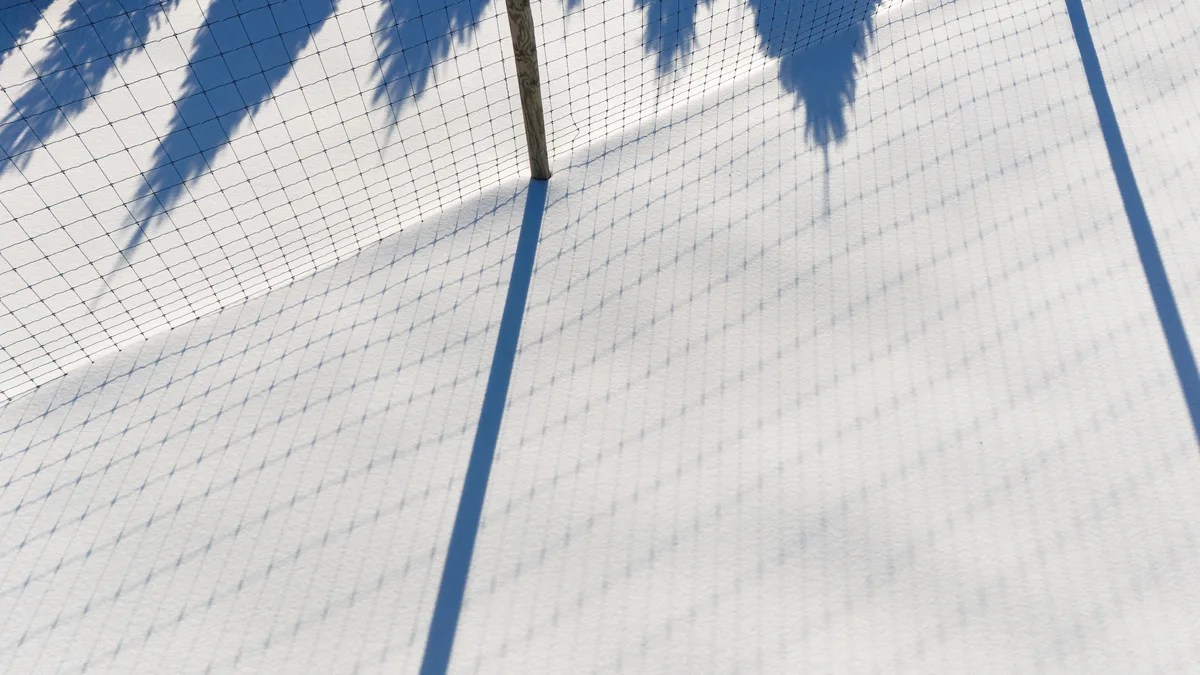
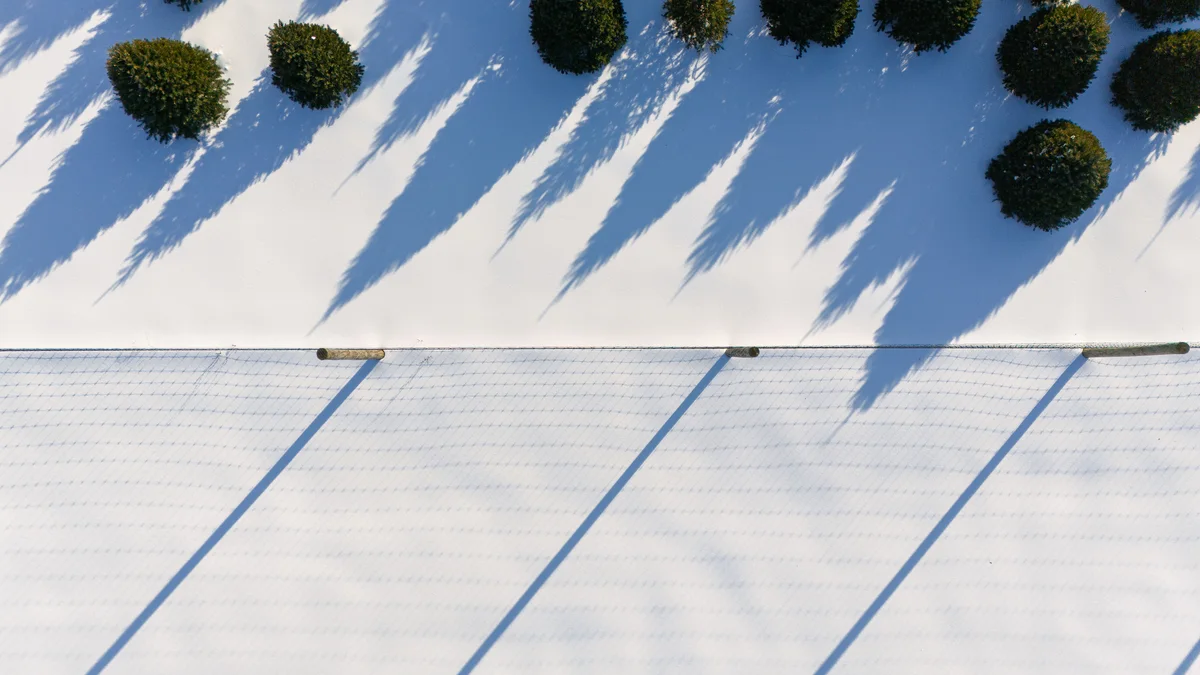
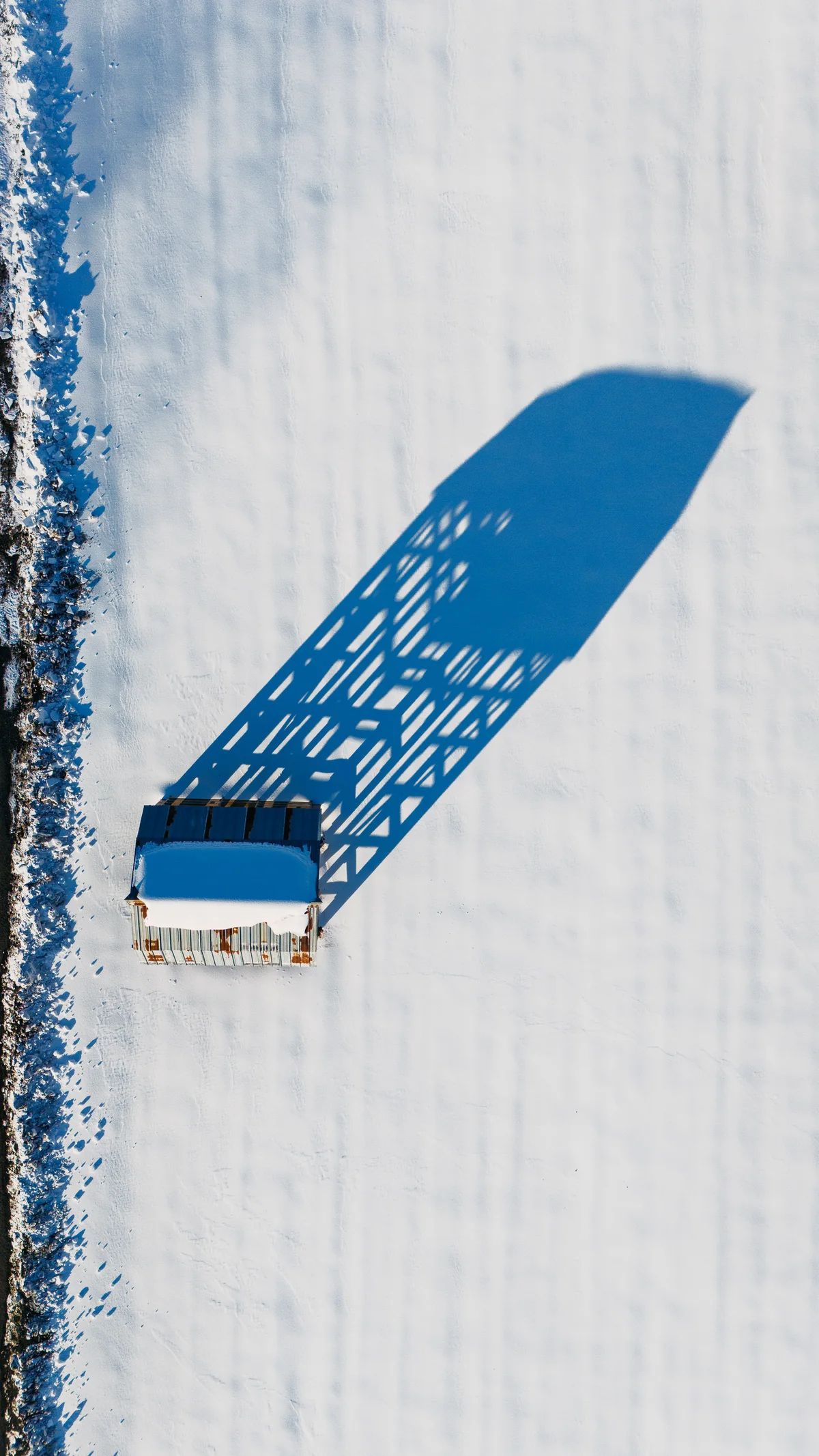
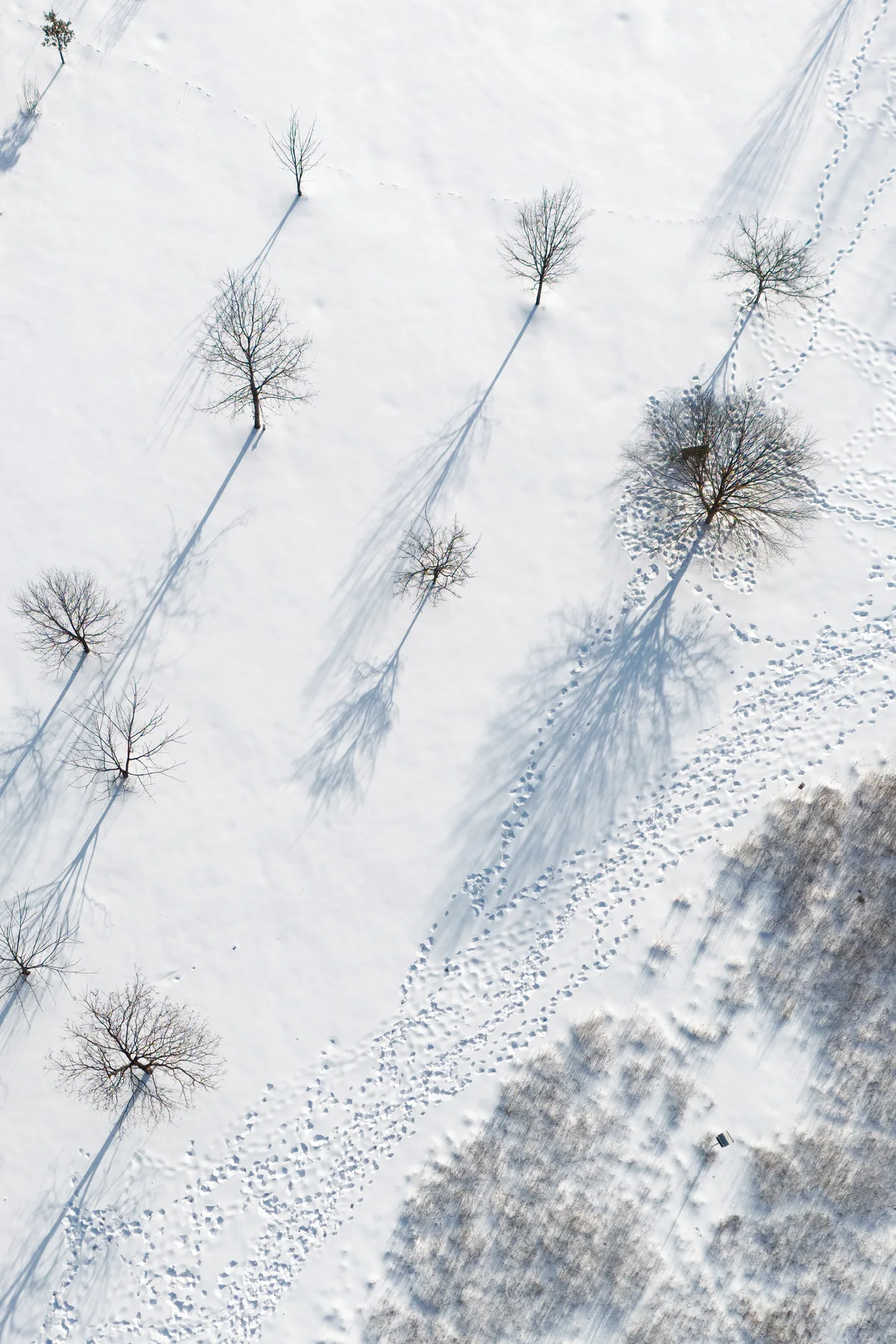
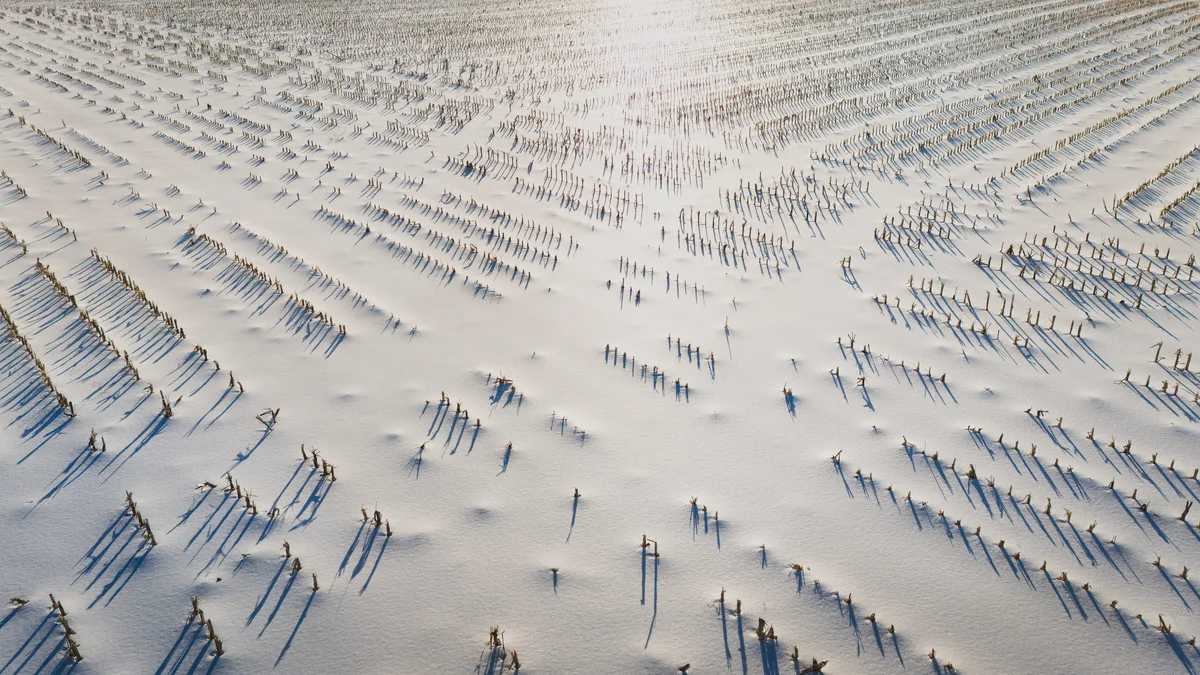
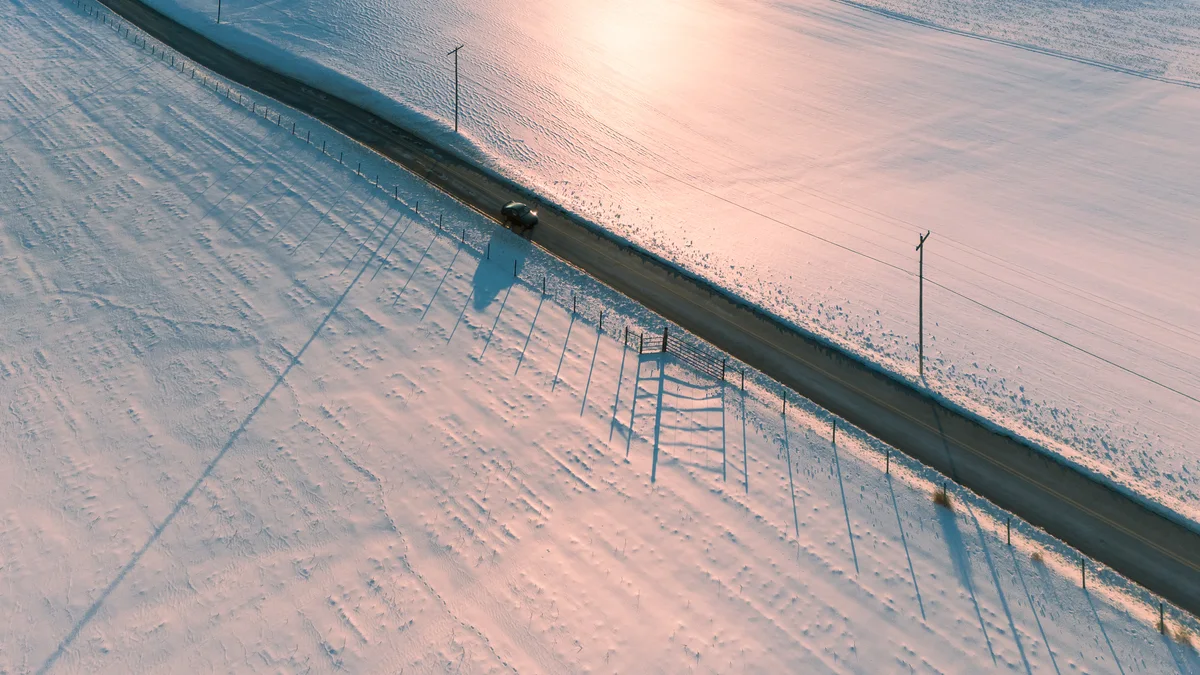
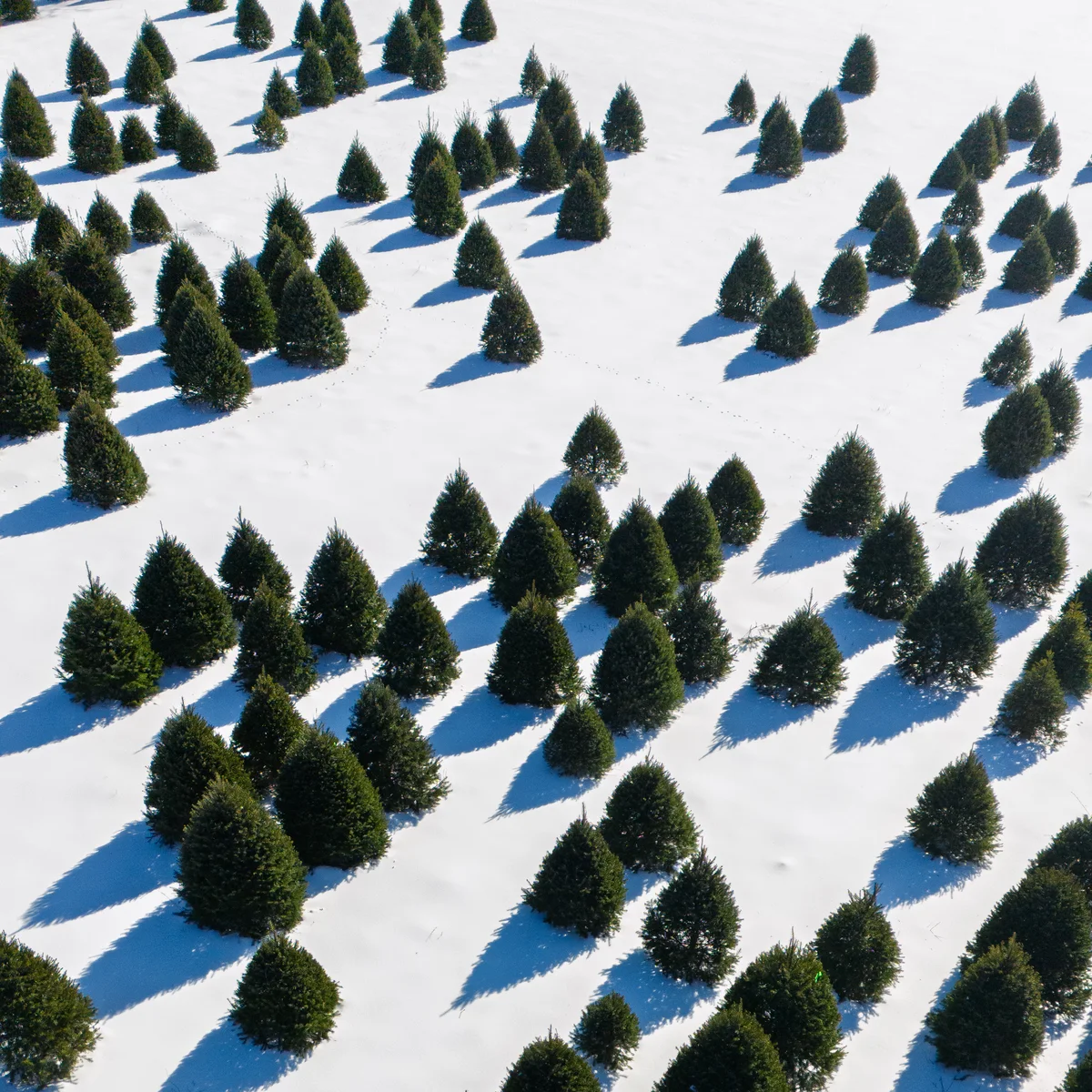
This drone photography series began with an interest in the way snow can transform the landscape into a blank sheet of paper. Seen from above, familiar places are stripped of much of their visual noise. Forms become simplified, boundaries more pronounced, and isolated subjects, shadows, and traces take on an unfamiliar presence against the snow.
As I continued looking at the images, another idea emerged. By taking to the air, the camera could descend upon the landscape from the same direction as the unfathomable number of snowflakes that had floated to the ground only a day before. The drone’s movement began to suggest not simply observation from above, but a chance to occupy the point of view of one of those countless snowflakes.
In After-Flakes, Robert Frost encounters his shadow on the snow and responds by looking upward, toward the sky, for an explanation of what appears below. Whether that gesture points toward the origin of the snow, toward something divine, or toward a more elusive source of meaning is for the reader to decide. Regardless, the drone reverses Frost’s perspective. From the sky, looking downward, the camera occupies the very vantage point toward which he turns—observing the landscape below as though from the perspective of a snowflake descending from a winter cloud. Having followed Frost’s gaze upward, what might reveal itself when we look down with the snow?